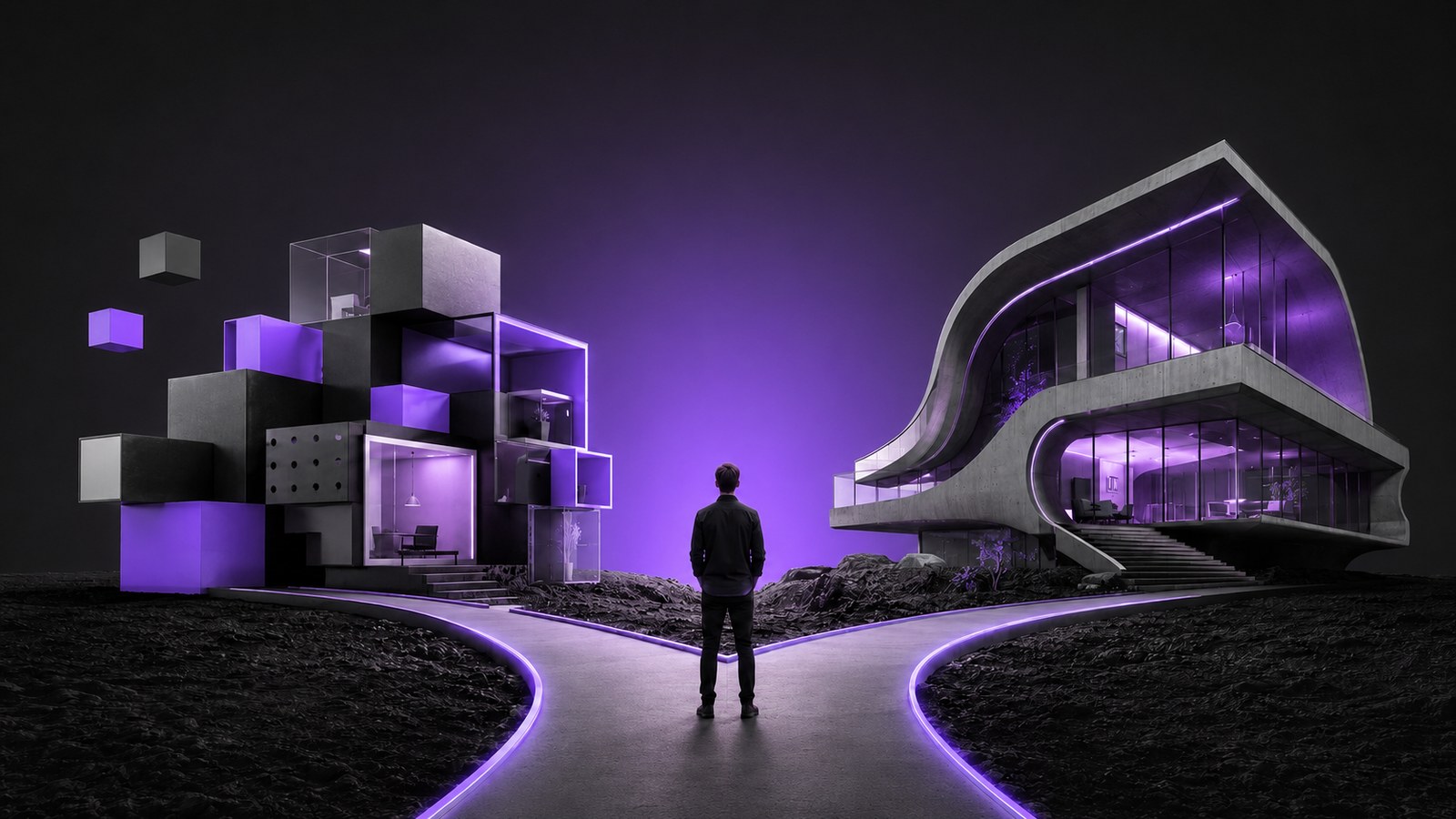
One of the first decisions in a digital project is choosing between a platform like WordPress and a custom-built development. Sometimes it's presented as a competition between a “simple” option and a “professional” one, but that comparison is misleading. Both can be excellent or inadequate depending on the problem.
When WordPress is usually a good choice
WordPress is especially effective for institutional sites, blogs, catalogs, memberships, and stores with standard requirements. It allows for content management, SEO optimization, and feature expansion through a consolidated ecosystem. It also reduces initial setup time and makes it easy for the team to manage information without needing to rely on the developer for every change.
Its flexibility demands good judgment. Installing too many plugins or combining incompatible solutions can affect performance and maintenance. A professional implementation selects only the necessary components, uses an organized structure, and considers security, backups, and updates.
When is it advisable to evaluate a custom development
If the business requires very specific processes, large volumes, complex rules, or an experience that doesn't fit existing solutions, custom development can offer greater control. It can also be appropriate for digital products whose software is central to the business.
The trade-off is a larger investment in analysis, development, testing, and maintenance. Additionally, common functions that a platform already solves will need to be built or integrated.
Questions to make the decision
- What specific problem does the project need to solve?
- What features are indispensable for the first release?
- Who will manage the content?
- What integrations do you need?
- What is the timeframe and available budget?
- How will it be maintained and evolve?
Hybrid architecture
You don't always have to choose an extreme. WordPress can function as a content management system while certain operations connect with a CRM, ERP, or external application. This strategy leverages mature tools and reserves custom development for what truly differentiates the business.
Choose by objectives, not by fashion
Technology must align with strategy. For many SMEs, a well-built WordPress site offers the ideal balance of autonomy, cost, and scalability. For others, business requirements justify a custom solution. Prior analysis prevents investing in unnecessary complexity or being too limited too soon.
At Pixie Studio, we analyze each project before recommending a platform. Tell us your idea and let's define a sustainable solution.