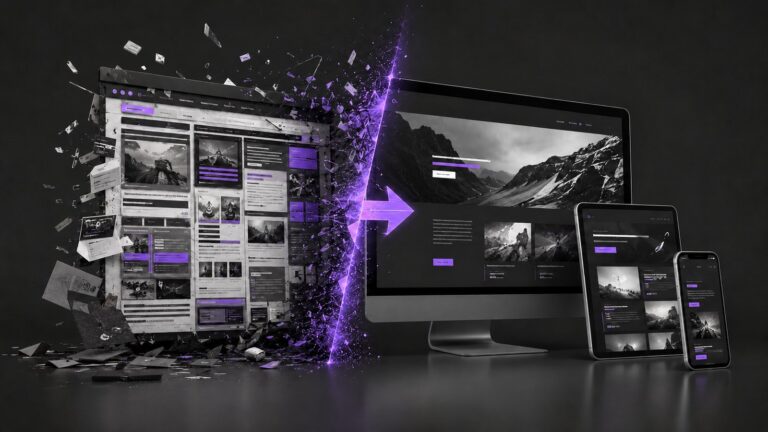
Llega un punto en el crecimiento de toda pyme donde las planillas de Excel, el WhatsApp del equipo y algún software suelto para facturar dejan de alcanzar. La información se desincroniza, nadie sabe cuál es “la versión final” de un archivo, y se pierde tiempo cargando lo mismo en dos o tres lugares distintos. Ahí es cuando, con casi todos nuestros clientes, aparece la misma pregunta: ¿necesito un ERP?
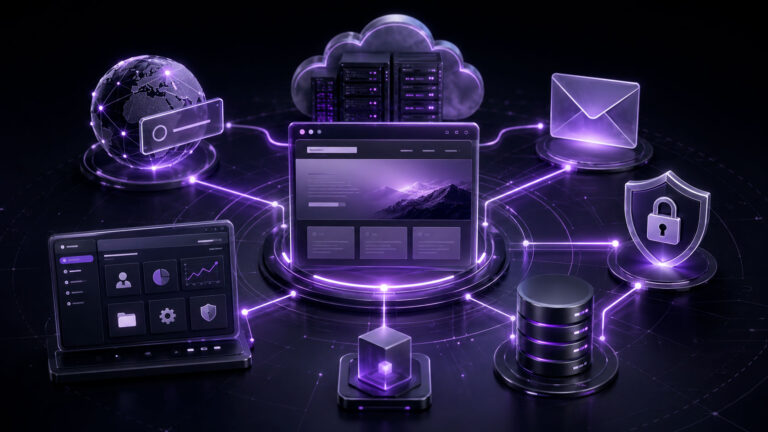
A nosotros nos gusta explicarlo sin vueltas. ERP significa Enterprise Resource Planning, pero pensalo simplemente como un sistema único donde viven conectadas todas las áreas del negocio: ventas, compras, inventario, facturación, contabilidad, y a veces también recursos humanos o proyectos. En lugar de tener una herramienta para cada cosa —y tener que pasar datos a mano de una a otra— todo vive en un mismo lugar y se actualiza en tiempo real.
Odoo, puntualmente, es uno de los ERP más usados a nivel mundial, y una de las razones por las que lo elegimos tanto para nuestros clientes es que es modular: podés arrancar solo con lo que necesitás hoy —por ejemplo, facturación e inventario— y sumar módulos a medida que el negocio crece, como CRM, proyectos, recursos humanos o ecommerce, sin tener que migrar de sistema cada vez que cambian tus necesidades.
Hay algunas señales que vemos repetirse en los negocios que ya lo necesitan: cargar la misma información en más de un sistema, no tener una foto clara y actualizada del stock disponible, depender de una sola persona que “tiene todo en la cabeza”, o que facturar, cobrar y hacer seguimiento de pagos te lleve más tiempo administrativo que operativo. Si te reconocés en alguna de estas, probablemente ya sea momento de conversarlo.
Ahora, el error más frecuente que vemos al acompañar una migración no es técnico, es de enfoque: implementar un ERP no es solo instalar un programa, implica ordenar procesos que muchas veces nunca estuvieron formalmente definidos. Los proyectos que fallan suelen ser los que intentan replicar exactamente el caos anterior dentro del sistema nuevo, en lugar de aprovechar la migración para simplificar. Por eso siempre arrancamos entendiendo cómo funciona realmente el negocio, antes de prender el software y cargar datos.
To see it in action
Este es un video breve, directo de Odoo, que resume bien qué es y qué se puede hacer con él:
¿Vale la pena para una pyme chica? En nuestra experiencia, sí, siempre que se implemente de forma escalonada: empezar por el módulo que resuelve el dolor más urgente —normalmente facturación o inventario—, ver resultados, y a partir de ahí sumar el resto. En Pixie Labs implementamos e integramos Odoo a medida de cada pyme, sin sobrecargarlas con módulos que todavía no necesitan.